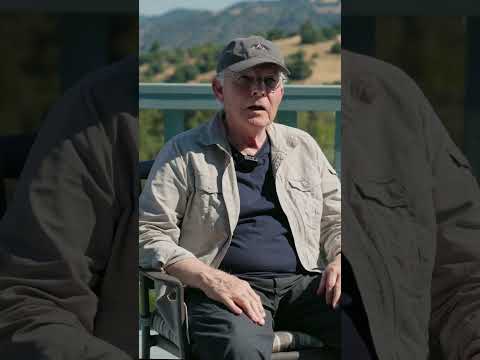
We pulled into Idyllwild's high desert edge at about 2,100 feet, where the sun sits bright and the wind can change your shot in a second. The beds were alive with quiet movement, and the air smelled like clean soil and sun-warmed wood. Richard, who everyone calls "the worm guy", walked us through his operation with the pride of someone who has figured something out that most people overlook.
Richard talked about water with the focus of a craftsman. A reliable well keeps the farm running without breaking the bank. Micro emitters deliver just enough moisture for the worm beds. In winter, an occasional snow settles in and melts slow, giving the whole place a deep drink. It was simple and smart, and it matched the place.
The worm beds are fed a mix of rabbit manure, horse manure, grape pomace from winemaking, and sprouted barley fodder. Everything is sourced locally and recycled. The castings that come out of this system are dense with biology, the kind of amendment that does not just feed plants but builds the infrastructure for healthy soil.
What Richard has built is a closed-loop composting system that turns agricultural waste into one of the highest-quality soil amendments available in Southern California. His customers include small farms, home gardeners, and anyone trying to rebuild depleted soil.
Talking to him, you realize that vermicomposting at this scale is not passive. It requires daily attention, an understanding of feedstock ratios, moisture management, and temperature. Richard makes it look effortless, which means he has been doing it long enough to have solved every problem at least twice.
This material is based upon work supported by the Agricultural Marketing Service, U.S. Department of Agriculture, under grant number 24FMPPCA1238. The contents are solely the responsibility of the authors and do not necessarily represent the official views of the USDA.